The Sound of a Leash—and the Joy of Helping Shelter Animals Find Homes
Shelter volunteers help dogs and cats build trust with people again—and that leads to more adoptions. See how a simple change made it easier for more volunteers to help.

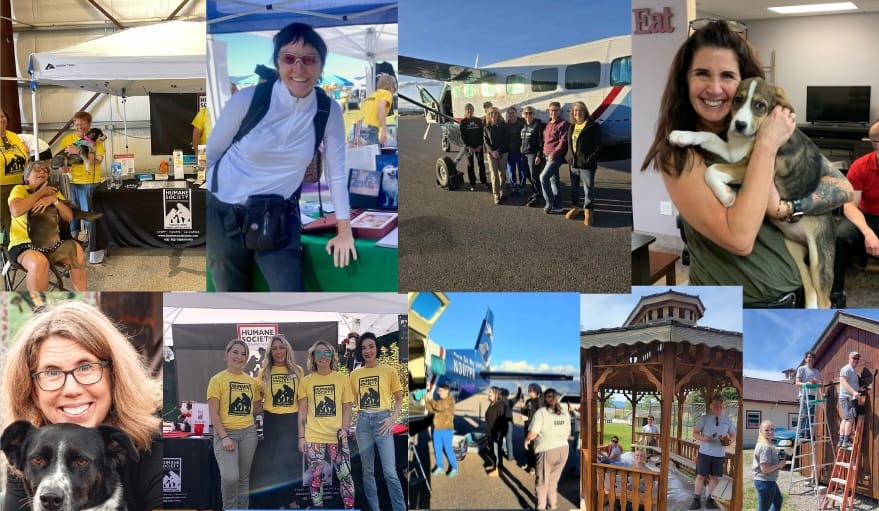
Kim Carey doesn’t have to look up to know an adoption is happening.
She can hear it—excited voices, sometimes laughter, sometimes tears. And then, the sound of a leash moving toward the door.
“That’s my favorite part,” she says. “Watching the animals leave with their new family.”
Those moments are what every animal shelter hopes for.
And they’re made possible by volunteers.
More Time for Animals
From 9 a.m. to 5 p.m., volunteers are the reason animals at the Humane Society of Northwest Montana get to spend most of their day outside their kennels.
They walk dogs. Sit quietly with nervous cats. Get them used to meeting new people. Help them learn to trust strangers again. Things staff simply wouldn’t have time to do while also running the shelter.
That daily interaction does more than make animals happier in the moment. It increases their adoption rates.
“Shelters with more volunteers tend to have better-adjusted animals. Their fear levels go down, and socialization goes up. Volunteers actually improve every animal’s chance of finding a forever home.”
— Kim Carey, Volunteer Coordinator
The people who volunteer at the shelter come from all walks of life, each bringing their own love for animals. Some are students as young as 11. Others are retirees or people stopping by after work. Residents from local group homes come to socialize cats. And one volunteer—now 86—still cleans kennels every week, something she’s faithfully done for 16 years.
Last year alone, volunteers contributed more than 4,200 hours at the shelter. Without them, Kim says the organization would need to hire at least three additional employees just to keep up.
Less Time on Scheduling
For years, coordinating all those volunteers was the hardest part of Kim’s job.
“Before Unison, scheduling volunteers took up about 70% of my time and was completely exhausting,” Kim remembers.
She used to do it all by hand—making the calendar from scratch, emailing it out, tracking responses, manually entering shifts, and answering endless follow-up emails. Not just every month, but every day.
In fact, scheduling alone took more than 20 hours a week. That’s time Kim wanted to spend with volunteers and animals, not her inbox.
That’s all changed since the shelter switched from paper calendars to Unison, a simple online scheduling system.
Now, volunteers just open Unison and sign up whenever they’re available—whether that’s weeks in advance or on a lunch break the same day. Staff can glance at the live calendar and instantly know who’s coming in.
Some volunteers can come at the same time every week. With repeating assignments, they’re automatically scheduled for the days they always help. Others sign up whenever they’re free—filling open spots as their availability allows. That mix of repeating shifts and flexible signups has made it much easier for more people to participate.
The result? Volunteer engagement has more than doubled in less than a year since they started using Unison. More volunteers means happier animals—and more adoptions.
More Volunteers, More Adoptions
The biggest change for Kim isn’t just the time saved. It’s what that time is now spent on.
Instead of managing spreadsheets, she can welcome new volunteers, share adoption stories, plan events, and spend more time around the animals themselves.
Which brings her back to the moments she loves most.
The barking down the hallway.
The laughter.
The happy tears.
And the leash heading toward the door.
Another dog or cat leaving the shelter behind—because volunteers showed up.
Another life changed, for both ends of the leash.

Learn more about the work of the Humane Society of Northwest Montana and how volunteers help shelter animals find loving homes every day.
If you coordinate volunteers at an animal shelter, rescue, or community organization, Unison can help you coordinate schedules and welcome more helpers too— with simple signups and volunteer management tools anyone can use for free.
