Every Saturday, for 40 Years, Someone Knocks
Meals on Heels began as a way to feed homebound seniors on weekends. Decades later, volunteers continue to show up every Saturday with homemade meals and a reminder that no one is forgotten.

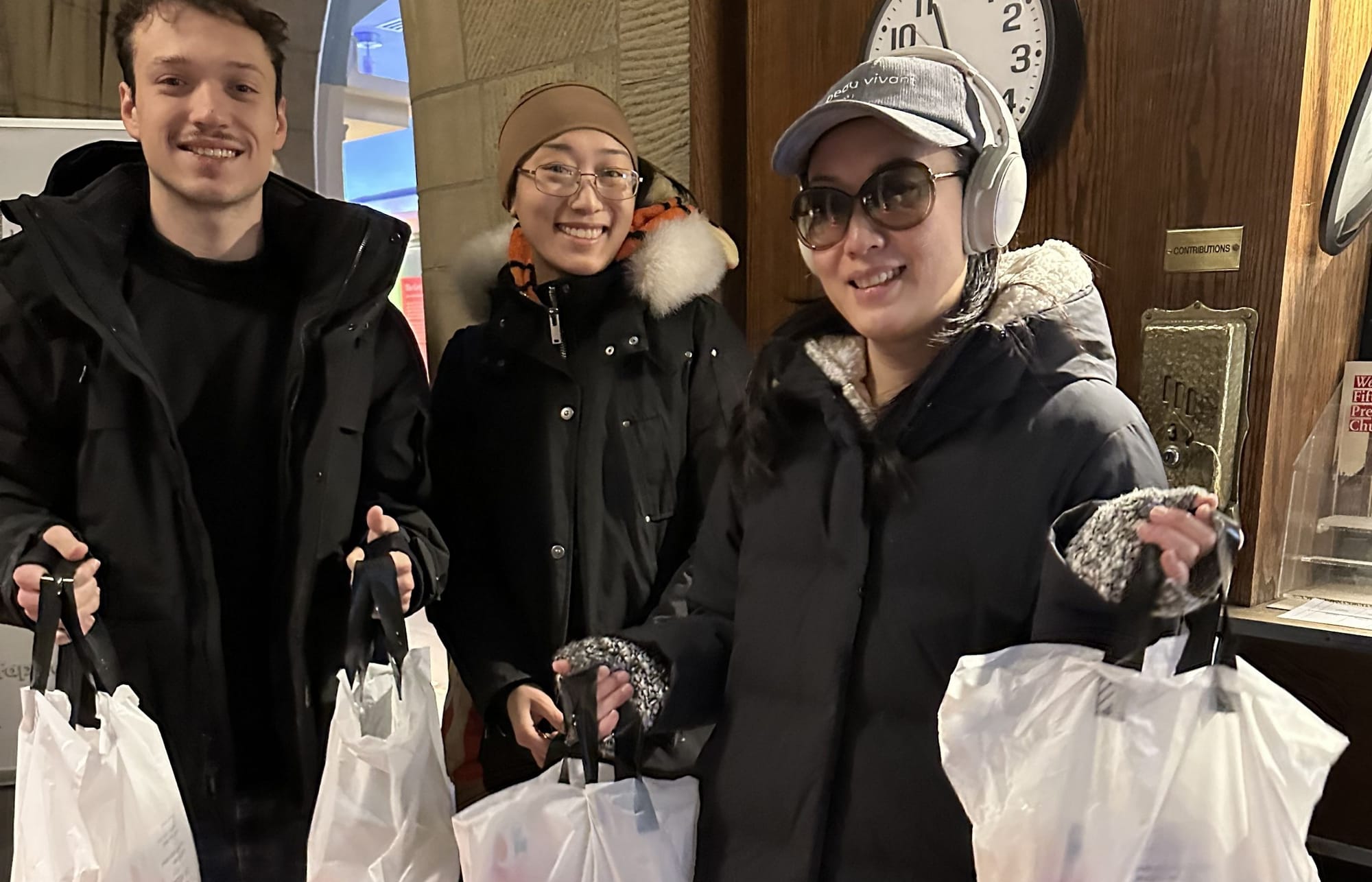
Cassie Raffucci knocked on the door with a hot meal in hand — just like she does every Saturday.
But this time, something felt off.
When the door opened, the resident — a woman living with Parkinson's — was unsteady, faint, and disoriented. The volunteer didn't hesitate. She called for help, found building staff, and stayed close, guiding the woman safely back to her room and making sure she got the care she needed.
For many homebound seniors, a small health issue can become something much worse if no one is there to notice. For people living alone, that happens more often than most of us realize.
That’s part of what makes these Saturday deliveries so important.Yes, volunteers bring homemade meals. But they also bring a familiar face, a moment of conversation, and a regular check-in for vulnerable neighbors who may not see anyone else that day — or even that week.
This time Cassie, a volunteer, was there.
And that made all the difference.
They've Never Missed a Saturday. Not Once.
At Fifth Avenue Presbyterian Church in Manhattan, a group of volunteers has been meeting a need most people don't know exists.
Meals on Wheels serves homebound seniors Monday through Friday. But the need doesn't pause on weekends. So for more than 40 years, this group has made sure it doesn't have to.
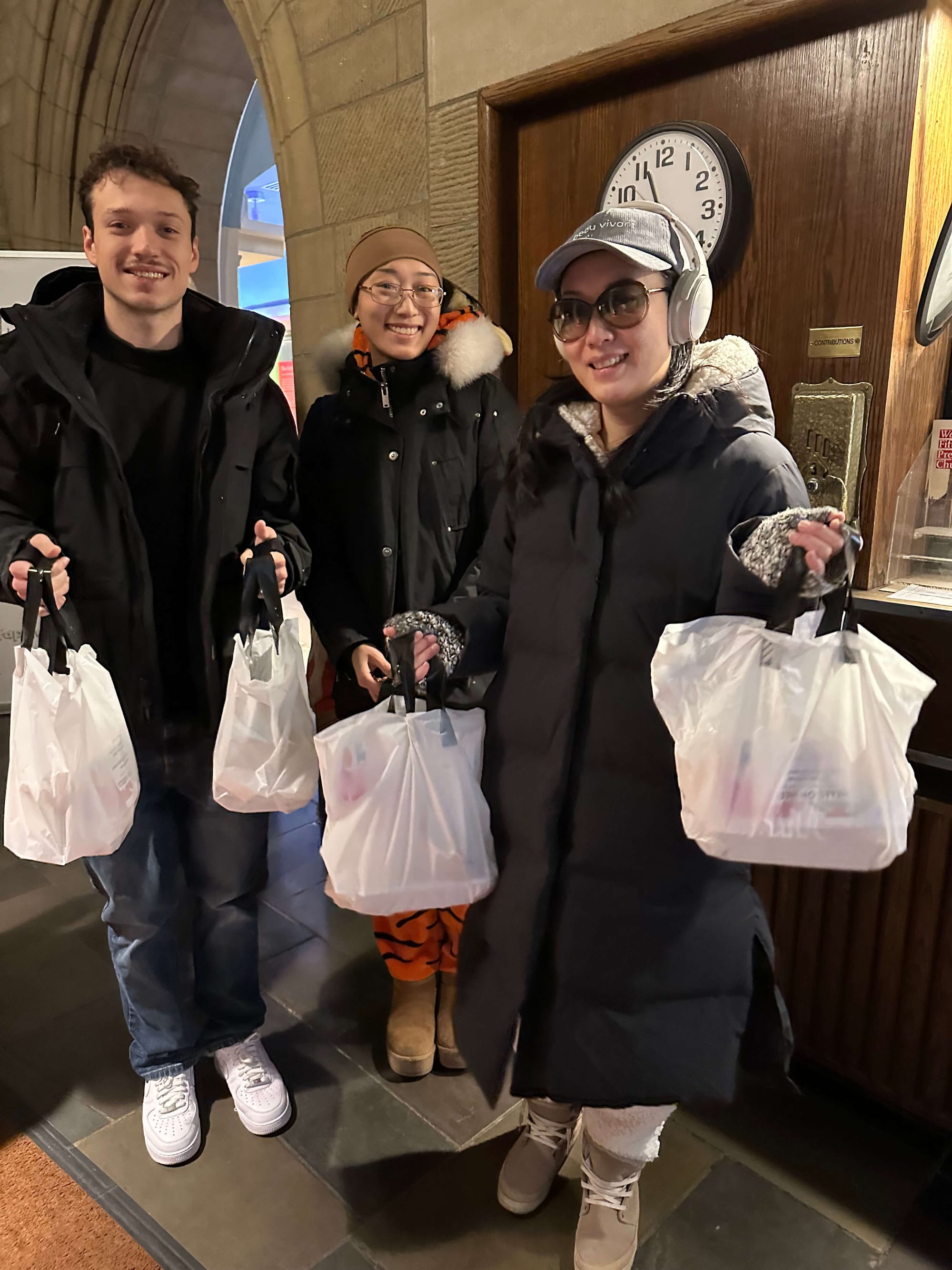
They call it Meals on Heels — because every meal is delivered the same way it always has been: on foot. Across city blocks. Up stairwells. To each doorstep, with a knock.
Holidays included. Every single Saturday.
She Starts the Dough the Night Before
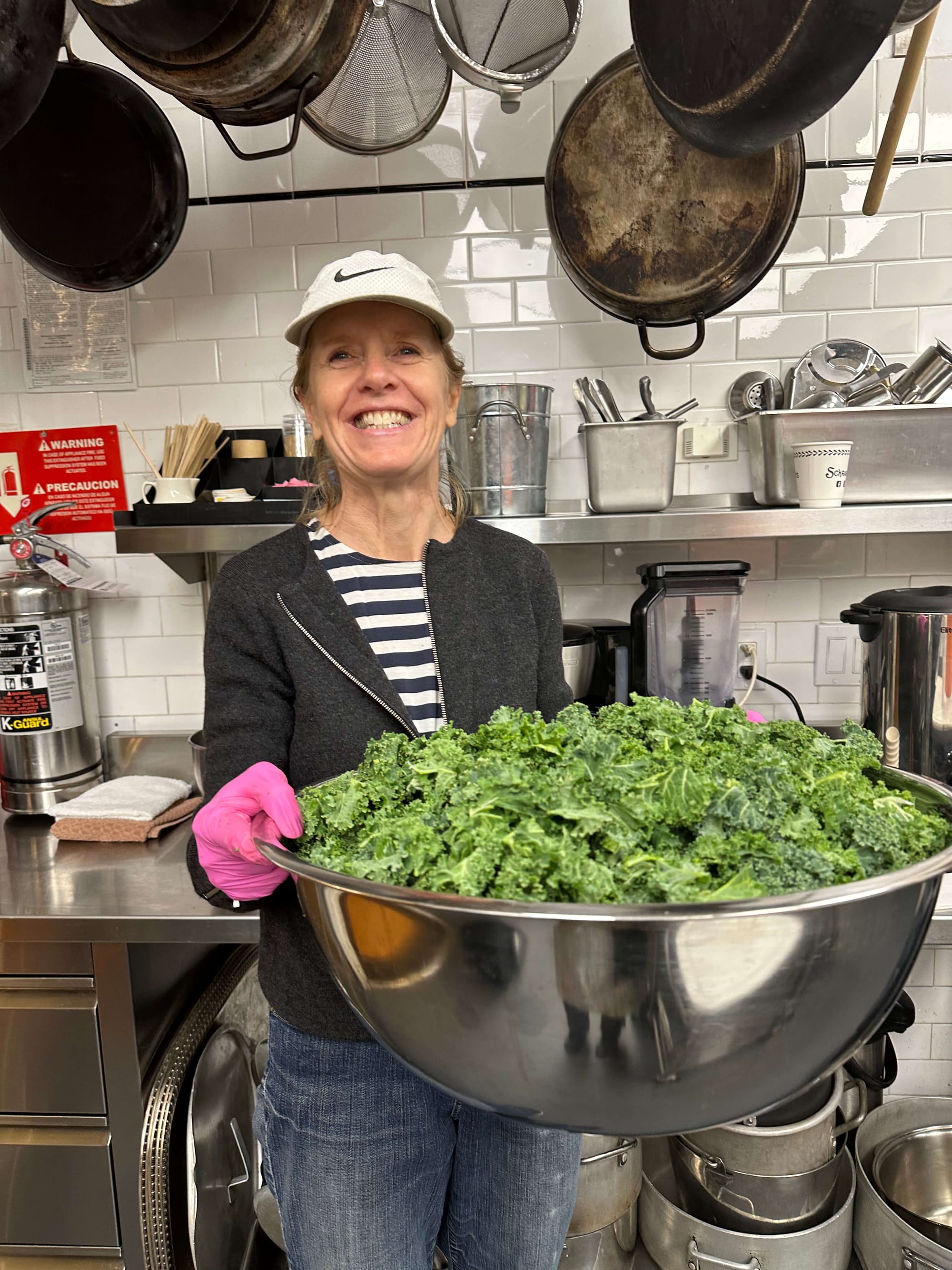
By the time most volunteers arrive at 8:30 a.m., the kitchen is already alive.
One volunteer begins her Saturday on Friday night.
In her apartment across the street, she mixes dough and lets it rise overnight. Early the next morning, she carries it into the church kitchen, shapes each roll by hand, and slides them into the oven. Some weeks it's garlic and herbs. Others, parmesan or sage. Always warm. Always homemade.
She's been doing this for years. Not because anyone asked her to. Because she decided that if someone is going to open their door to a stranger carrying a meal, that meal should feel like it came from someone who cares.
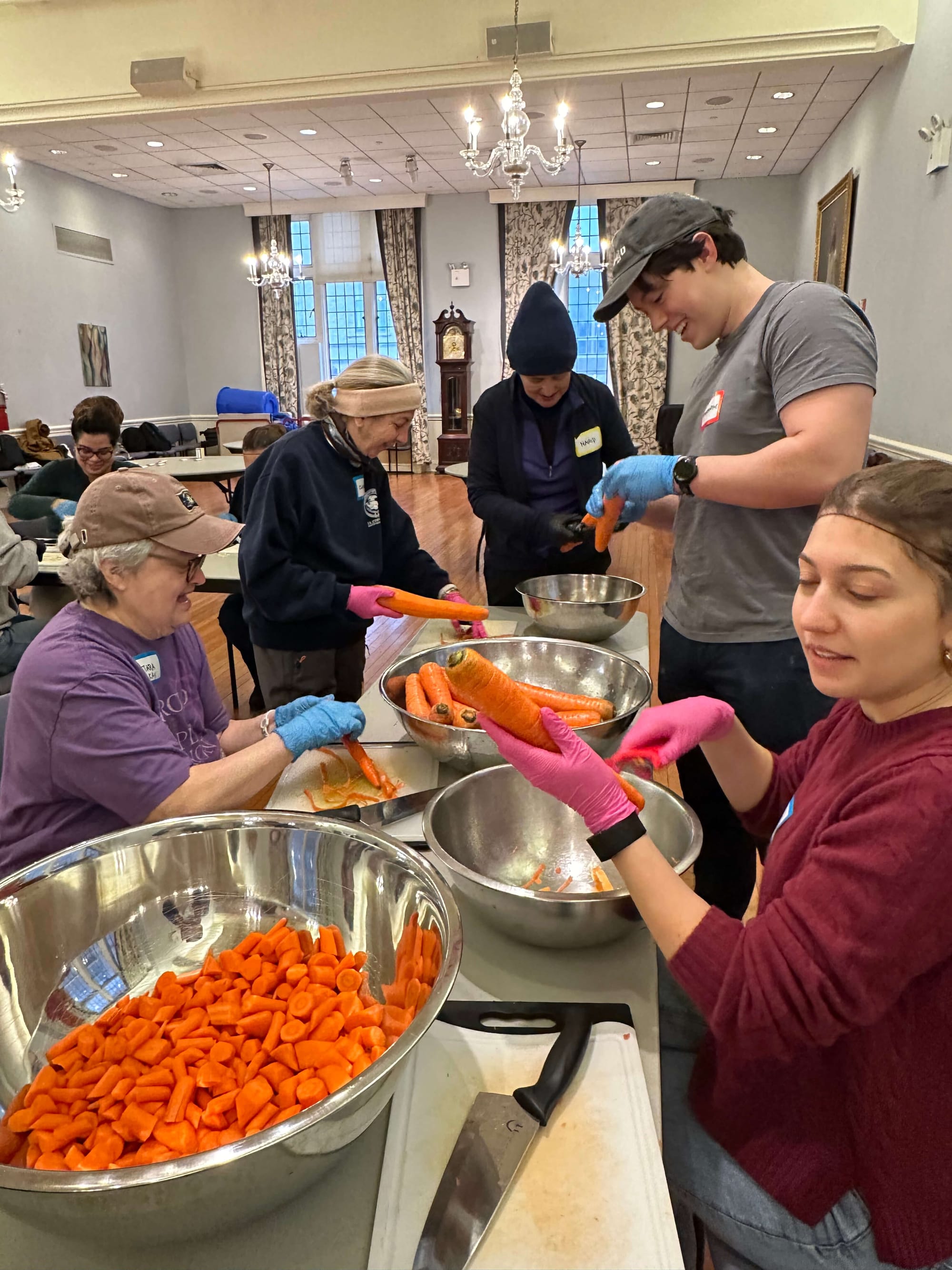
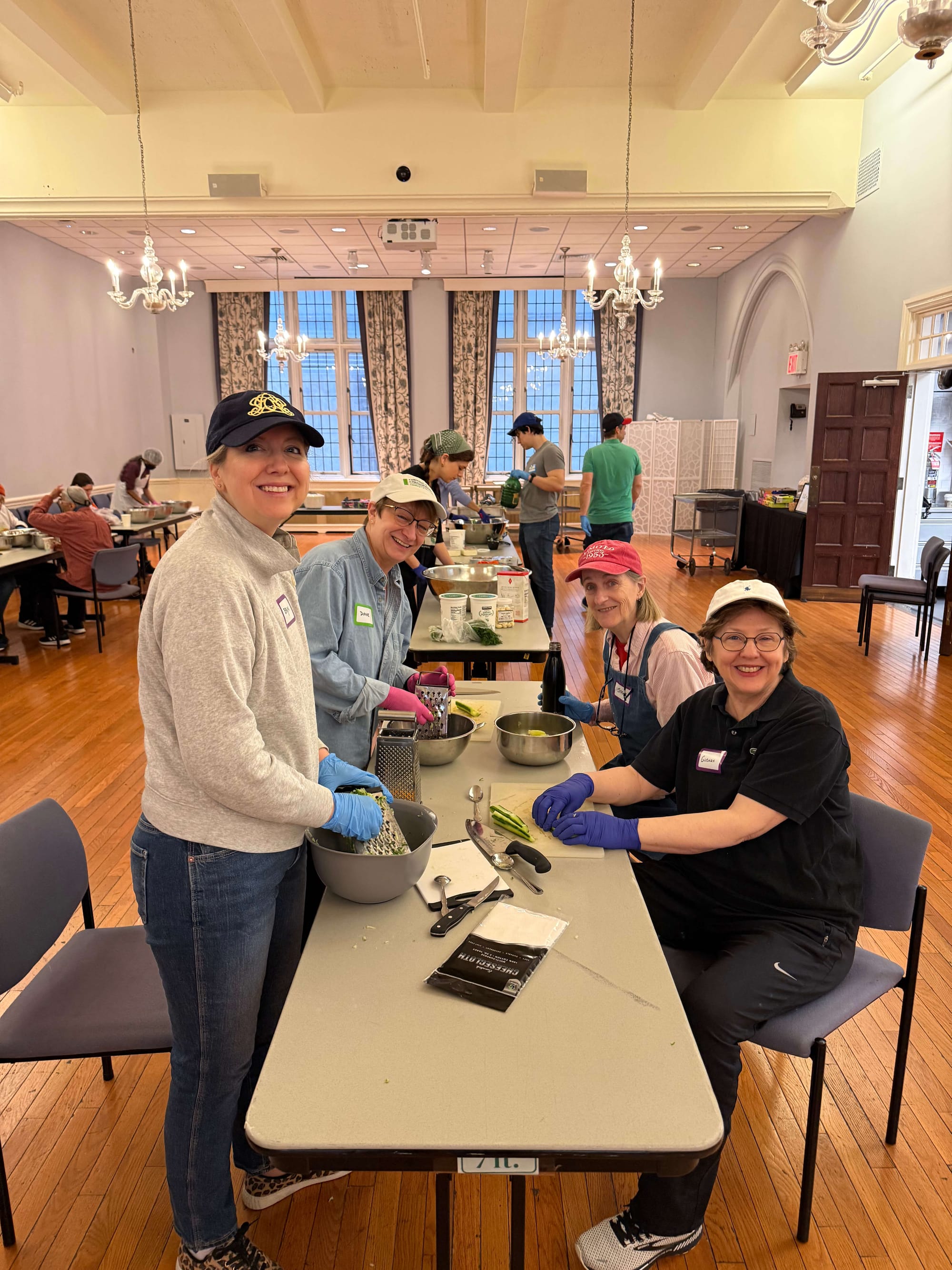
Around her, the kitchen fills. Vegetables are chopped. Containers are packed and labeled. If there's extra bread, it gets broken apart and passed around before the delivery teams head out into the city.
For many of the volunteers, this Saturday morning ritual feels less like service and more like family.
He Said Yes in 1989. He's Still Showing Up.
John Wyatt remembers the exact moment he joined.
He was new to the church, moving through coffee hour, when a woman in charge of Meals on Heels extended her hand.
"Her smile got me," he says. "There was a warmth in her face — her eyes were genuinely sparkling. It didn't feel like I was just one of 20 people going down the line. It was personal. I knew when she invited me to come help, she meant it."
He signed up that day.
That was 1989.
Thirty-seven years later, John is still there every Saturday alongside his co-coordinator, Josie Lawrence. Together with a core group of 12 volunteers, they coordinate the Meals on Wheels team of 25 people each week. And when new volunteers join, he makes sure they understand what they're really walking into when they knock on those doors.
"You may be the only person they see that week," John tells them. "And what you're carrying may be the only meal they eat that day."
We asked John what keeps him coming back after all this time. He didn't hesitate.
"I get more than I give," he said. "Every single time."
The People the City Forgot to Remember
John has learned, over decades, not to see the people on his route as recipients. He sees neighbors. People with histories, talents, and stories that most of the world has forgotten to ask about.
One had been a Ziegfeld Follies Girl.
Another helped type the original Nancy Drew manuscripts.
One woman just turned 108. She received a birthday card with her meal.
John keeps the thank-you notes. He goes back to them often — on hard weeks, on cold mornings, on days when the city feels indifferent — and shares them with volunteers to remind everyone what this is really about.
One note reads:
"Thank you to our Meals on Heels deliverers who make the trips they do every week, in good weather and bad. Nobody is taking this for granted."
Another is shorter. Just one line.
"I am just grateful to not be forgotten."
Meals on Heels has shown up every Saturday for over 40 years. Unison helps make that coordination possible — so volunteers like John can spend less time on logistics and more time on the knock.